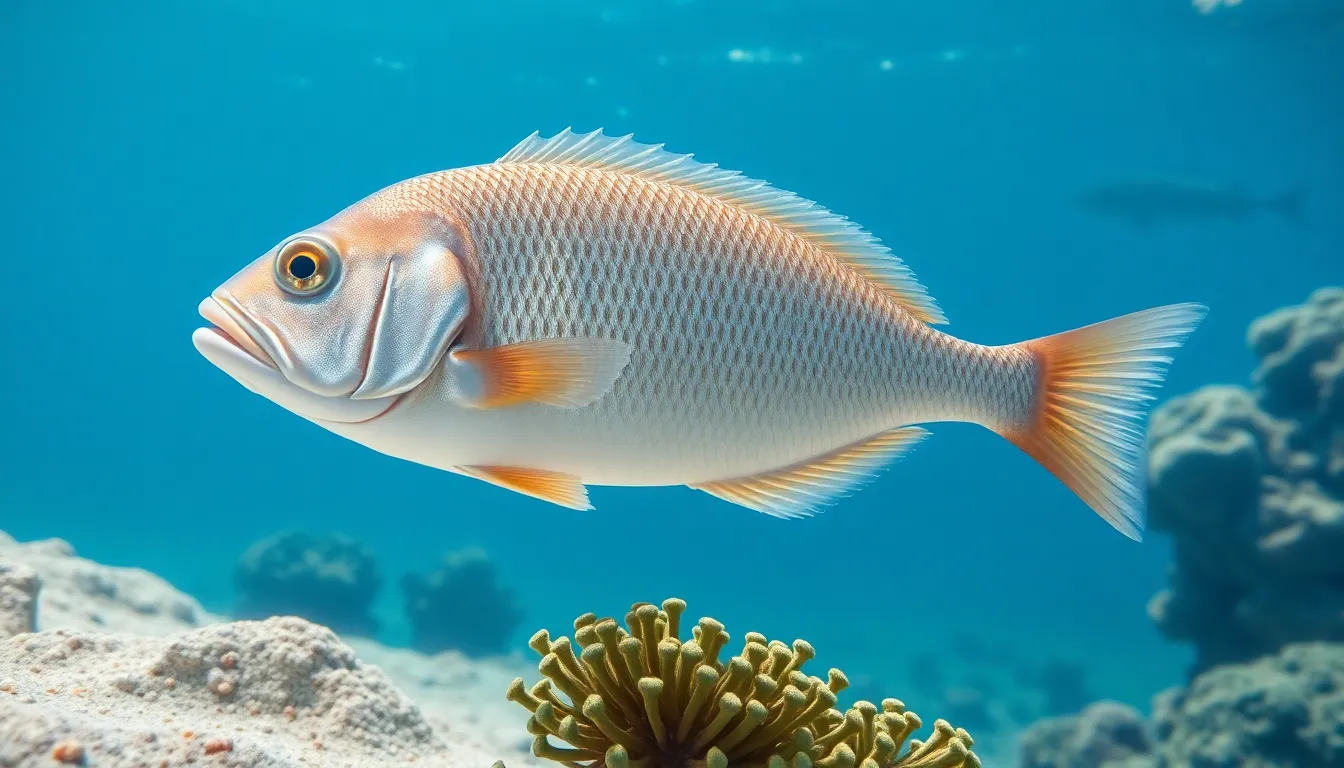
Submarine fishing for bream is a practice that combines skill, technique, and a deep understanding of the underwater environment. In this article, we will explore themost effective submarine fishing techniquesfor capturing bream, as well as the key aspects that every underwater fisherman must master.
Summary of the Technique and Applications in Submarine Fishing
Bream is a highly valued species for its flavor and behavior in the water. To succeed in capturing it, it is essential to understand its habitat and behavior. Submarine fishing involves a series of specific techniques that can be adapted according to environmental conditions.
Habitat of the Bream
- Sandy bottoms: They are usually found in areas with sand and marine vegetation.
- Rocks and reefs: Bream seek refuge among the rocks, making them harder to catch.
Specific Techniques
Among the most effective techniques are:
- Camouflage: Use suits in colors that blend with the environment to approach without being detected.
- Slow movements: Make smooth and slow movements to avoid scaring the fish.
Prerequisites: Skills in Apnea and Swimming
Before venturing into submarine fishing for bream, it is essential to master certain skills:
Apnea Skills
Apnea is crucial in submarine fishing. It is recommended to practice breathing techniques that increase lung capacity and endurance in the water.
Swimming Skills
A good swimmer is more effective in submarine fishing. Practicing swimming in different conditions will help adapt the body to the marine environment.
Detailed Breakdown of Execution with Underwater Considerations
The execution of the submarine fishing technique requires attention to several factors:
Planning the Dive
Before diving, it is important to plan the dive, considering:
- Water depth: Knowing the depth where bream is expected to be found.
- Currents: Assessing the currents that may affect mobility.
Diving
During the dive, staying calm is crucial. The technique ofstatic apneacan be useful for observing without moving.
Capture
Once the bream is located, it is important to:
- Approach slowly.
- Use the appropriate equipment for capture.
Common Mistakes Specific to Underwater Hunting
Identifying and correcting common mistakes can make a difference in the effectiveness of submarine fishing:
Camouflage Mistakes
A common mistake is not matching the suit color to the environment. Using overly bright suits can scare the fish.
Sudden Movements
Making sudden movements can alert the bream. Practicing fluid and natural movements is key.
Advanced Variations for Different Conditions
Water and weather conditions may require adaptations in technique:
Fishing in Murky Waters
In murky waters, the technique ofwaiting fishingit is effective, allowing the sea bream to approach.
Fishing in Cold Waters
The use of a suitable suit and specific breathing techniques is essential to maintain body temperature and efficiency.
Practice Exercises for Pool and Open Water
Practicing in different environments is crucial for developing skills:
Pool Exercises
- Static apnea: Stay underwater for prolonged periods.
- Capture simulation: Practice the capture technique with a partner.
Open Water Exercises
Diving in real conditions will help familiarize you with the environment and apply fishing techniques.
Performance Metrics and Integration of Apnea
Measuring performance is vital for progressing in underwater fishing:
Key Metrics
- Apnea time: Record the time underwater to improve endurance.
- Success in capture: Keep a record of the catches made.
Safety Protocols and Emergency Procedures
Safety should be the priority in underwater fishing:
Safety Protocols
- Never fish alone: It is always advisable to have a partner.
- Know your limits: Listen to your body and do not exceed your apnea limits.
Emergency Procedures
In case of an accident, it is crucial to know the emergency procedures:
- Recognition of hypoxia symptoms: Be alert to dizziness or disorientation.
- First aid: Know basic resuscitation techniques and how to act in case of emergency.
Underwater fishing for sea bream is an art that requires dedication and practice. With the right techniques and a focus on safety, you can enjoy this exciting activity and continuously improve your skills.